Visiting a Preventive Dentist Can Help Maintain Your Oral Health
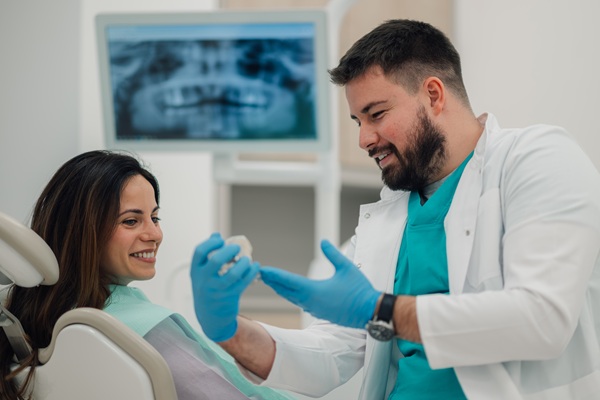
A preventive dentist can protect your mouth from different ailments. This dental care professional can perform treatments that can keep your teeth and gums healthy. Regular visits can ward off serious dental problems later on. Here are the details about visiting a preventive dentist for good oral health.
The reason for having preventive dentistry
The main goal of this field is to maintain the health of teeth and gums. A general dentist may perform basic treatments that can prevent dental problems like cavities. But a more detailed treatment from a preventive dentist can intervene in more serious dental issues such as tooth loss and gum disease. Repairing simple to complex dental injuries is part of what this dental care professional can do.
A preventive dentist can also help detect chronic diseases, such as diabetes, heart disease, or brain issues. Seeing this dental care provider also contributes to forming good dental habits in children. Kids learn the value of good dental health by visiting a preventive dentist. They tend to carry these dental care lessons until years later.
Preventing dental crowding
Detecting problems early is one of the goals of a preventive dentist. This allows the dentist to provide treatment before the issue worsens. One significant problem is dental crowding. Spotting subtle signs of this issue can lead to an early treatment plan.
In some cases, baby teeth fall out late. This deprives the permanent teeth of the dental space for proper eruption. A preventive dentist can spot these lingering baby teeth. Removing them will let the permanent teeth develop and erupt in the right spaces. The extractions may prevent the child from wearing braces years later.
The preventive dentist will often remove lingering baby teeth when the child is eight years of age. There is always a possibility for the neighboring teeth to shift into the dental space. That is why placing space maintainers is necessary. These devices keep the dental spaces secure until the permanent teeth erupt.
Preventing tooth decay
Cavities can destroy dental health in a gradual way. Visiting a preventive dentist twice a year for regular checks and treatments can prevent cavity formation. Between appointments, the patient should brush at least twice a day for two minutes each time. Avoiding sugary and acidic foods and drinks can also help maintain a cavity-free mouth.
Other preventive treatments
Aside from extracting baby teeth and oral hygiene advice, a preventive dentist can also provide other treatments to maintain one’s dental health. The dentist can discuss these treatments with the patient. Together, they will decide which one can benefit the patient the most. Here are the other procedures to consider:
- Dental sealants can shield the chewing surfaces of the back teeth. This can make teeth cleaning easier. It can also prevent bacteria and food particles from getting stuck into the grooves and pits.
- Enameloplasty reshapes the enamel. It can improve one’s smile and oral hygiene.
Maintaining your good oral health is possible with the help of your preventive dentist
Oral health care starts early in life. Early dental checkups are necessary to keep teeth and gums in top shape. Preventive dentistry treatments can extend the life span of your teeth and the soft tissues that surround them. Working with your preventive dentist can keep your smile beautiful and youthful even as you age.
Request an appointment here: https://drsherrilldds.net or call Edward E Sherrill, DDS at (501) 588-8942 for an appointment in our North Little Rock office.
Check out what others are saying about our dental services on Yelp: Preventive Dentist in North Little Rock, AR.
Related Posts
Dental bridges and crowns are the two most popular smile restoration options, enhancing function and appearance. However, they vary in design, purpose, and care. Understanding how these solutions work and their differences can help patients make decisions during the restoration process.A dental bridge is a custom-made restoration that fills the gap left by one or…
A dental bridge is a restorative option designed to replace missing teeth, improving function and appearance. Among the various types, a cantilever dental bridge is often chosen when only one supporting tooth is available on one side of the gap. Understanding the pros and cons of cantilever dental bridges helps patients determine if this solution…
Are you considering removing your wisdom teeth? Wisdom tooth extraction is an oral surgery often required when the wisdom teeth on the jaw are causing discomfort or posing a risk of harming the surrounding teeth. The procedure is performed on an outpatient basis, and the dentist will provide instructions on what the patient should do…
Wondering whether a dental bridge is right for you? Read on to learn more. If you have missing teeth, your daily routine, appearance, and oral health will all be affected. Therefore, regardless of the cause of tooth loss, be it tooth decay or gum disease, you should replace them quickly. Dental bridges and implants are…