Ask a General Dentist: What Is the Difference Between Plaque and Tartar?
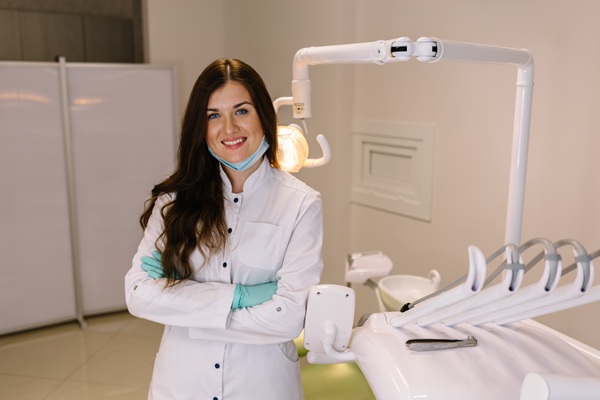
During routine checkups, general dentists often take the time to explain the difference between plaque and tartar. Both involve bacterial growth, but at different stages. Plaque is a soft film that can be easily removed by brushing, while tartar is a hardened deposit that adheres to the enamel like cement. Knowing more about these substances and how they build up on the teeth can make it easier to care for your smile.
The daily battle against plaque
Plaque is a soft, sticky, and colorless film of bacteria that forms on the teeth almost constantly. It develops when saliva mixes with food particles, specifically sugars and starches. Plaque clings to the enamel, usually around the gumline, forming a sticky film that feels fuzzy to the tongue. Fortunately, patients can remove plaque easily with daily brushing and flossing. This prevents the plaque from hardening into tartar, which is the primary cause of tooth decay and early gum irritation.
When plaque becomes tartar
If plaque stays on the teeth, it can mineralize into tartar — also known as dental calculus — within 48 hours. This is because the minerals found naturally in saliva, such as calcium and phosphate, seep into the soft plaque and cause it to calcify into a cement-like deposit. Note that tartar often appears as a yellow or brown stain, particularly along the lower front teeth or near the gumline.
Once tartar forms, it cannot be removed with a toothbrush or floss. Instead, it must be scaled off the teeth. A general dentist and their team can do this safely, without damaging the underlying enamel, during a dental cleaning.
The underlying harm of tartar
Tartar acts much like a barnacle on a ship. Its surface is rough and porous, which creates an ideal foothold for even more plaque to attach to. As a result, it creates a destructive cycle where the hardened tartar protects new bacteria from being brushed away.
The presence of these deposits keeps the gums constantly inflamed. This leads to the redness, swelling, and bleeding that characterize early-stage gum disease (gingivitis). When left untreated, the gum disease can eventually progress into an irreversible stage: periodontitis. When left untreated, the supporting bone begins to break down.
Proactive habits to interrupt the cycle of plaque and tartar
Preventing the transition from plaque to tartar is the most effective way to protect oral health. Since mineralization happens quickly, consistency is more important than the intensity of brushing. A general dentist often recommends timed brushing, as brushing for at least two minutes ensures that all surfaces of the molars and the gumline are cleared of plaque. Patients should also floss their teeth at least once a day, as this is the only way to remove the plaque that hides along the gumline, where the brush cannot reach. Additionally, drinking plenty of water throughout the day and after meals helps rinse away the food particles that can lead to plaque growth.
Even with consistent oral hygiene, some tartar buildup is normal. Factors such as genetics, dry mouth, and the saliva pH can all influence how quickly a person develops tartar. Getting dental cleanings every six months remains important for removing tartar. Regular visits also allow the dental team to polish the teeth, brightening the smile and protecting it from future plaque buildup and gum inflammation.
Contact a general dentist
Have you noticed plaque or tartar buildup? It may be time for a dental cleaning. Schedule yours with our general dentist at Edward E Sherrill, DDS today.
Request an appointment here: https://drsherrilldds.net or call Edward E Sherrill, DDS at (501) 588-8942 for an appointment in our North Little Rock office.
Check out what others are saying about our dental services on Yelp: General Dentist in North Little Rock, AR.
Related Posts
A preventive dentist can protect your mouth from different ailments. This dental care professional can perform treatments that can keep your teeth and gums healthy. Regular visits can ward off serious dental problems later on. Here are the details about visiting a preventive dentist for good oral health.The main goal of this field is to…
Smile makeover treatment can help patients feel more confident before an important life event such as a wedding, graduation, vacation, reunion, or professional milestone. Whether the goal involves brightening the teeth, correcting minor imperfections, or completely transforming the smile, planning ahead allows enough time to achieve the desired results. As a cosmetic dentist, creating a…
Dental bridge treatment offers an effective solution for replacing missing teeth, and in some situations, it may be a better choice than a dental implant. While both options restore appearance and function, the right recommendation depends on several factors, including oral health, treatment goals, and overall circumstances. A general dentist evaluates each patient's unique needs…
Many individuals ask cosmetic dentists whether at-home whitening can deliver noticeable results for their smile. While the answer is yes under certain conditions, effectiveness depends on the method used, the type of stain, and the consistency of treatment. Not all over-the-counter choices provide the same level of safety, comfort, or long-term success when you want…