Aftercare Tips for Wisdom Tooth Oral Surgery from a Family Dentist
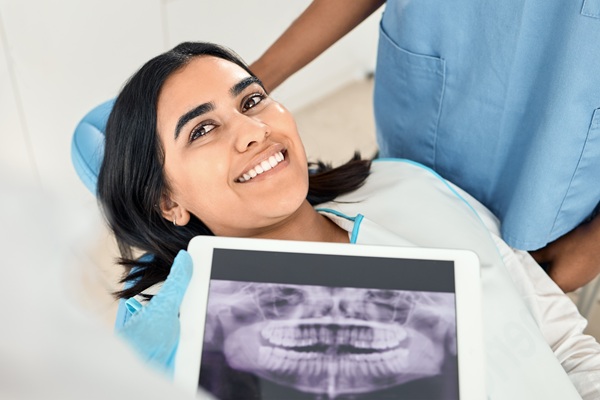
Are you considering removing your wisdom teeth? Wisdom tooth extraction is an oral surgery often required when the wisdom teeth on the jaw are causing discomfort or posing a risk of harming the surrounding teeth. The procedure is performed on an outpatient basis, and the dentist will provide instructions on what the patient should do after the operation to prevent needless discomfort and complications.
Aftercare tips following oral surgery for wisdom tooth removal
Dealing with swelling and bleeding
After wisdom tooth oral surgery, patients can expect some swelling afterward. Applying cold packs over the mouth intermittently for up to two days may help to minimize this. If an infection existed before the extraction, the dentist might suggest using a warm compress instead of an ice pack.
After the operation, there will be some bleeding. Therefore, the dentist will suggest patients put a gauze pad over the extraction point for at least 30 minutes following the procedure. In case of severe bleeding, the dentist may ask the patient to bite down on a gauze pad for 30 minutes before taking it off.
Diet recommendations
After the bleeding has ceased, the dentist will recommend rehydrating with lukewarm water. The patient will be restricted to soft foods such as oatmeal, mashed potatoes, eggs, and pudding for the first few days before transitioning to a regular diet.
Oral care is important
For the first several hours following a wisdom tooth extraction, foods and drinks should be restricted. To prevent the blood clot from dislodging, the patient should avoid washing their mouth forcefully or drinking via a straw. After the oral surgery, patients are allowed to clean their teeth at night, but they must avoid the tooth socket and rinse their mouth carefully as to not displace the blood clot. Patients must refrain from smoking during recovery, especially when bleeding has not stopped, to avoid infection.
Dealing with pain
There may be some discomfort after the operation, although it will vary in severity for most individuals. To minimize the discomfort, the dentist will recommend pain medications to be used as prescribed. Since the medicine is likely to make the patient tired, it is recommended that they remain at home and refrain from using heavy equipment or driving while on the medication. After surgery, patients should abstain from consuming alcohol.
The worst part of the pain typically lasts for up to 48 hours following surgery, then gradually fades until it stops completely. If the discomfort does not go away, the patient should see a dentist right away.
Dealing with nausea
After the operation, patients may experience nausea or vomiting, but there is no reason to worry as these are common side effects of anesthesia and pain medication. Patients should not eat or drink anything for about an hour following surgery to prevent vomiting.
Call our office for more tips
The discomfort produced by wisdom teeth that did not erupt correctly may be relieved by wisdom tooth extraction. The suggestions outlined above should help with the recovery process after the oral surgery and prevent complications. Do you have questions for the Edward E Sherrill, DDS team? Contact our North Little Rock office for more recovery tips.
Request an appointment here: https://drsherrilldds.net or call Edward E Sherrill, DDS at (501) 588-8942 for an appointment in our North Little Rock office.
Check out what others are saying about our dental services on Yelp: Oral Surgery in North Little Rock, AR.
Related Posts
Smile makeover treatment can help patients feel more confident before an important life event such as a wedding, graduation, vacation, reunion, or professional milestone. Whether the goal involves brightening the teeth, correcting minor imperfections, or completely transforming the smile, planning ahead allows enough time to achieve the desired results. As a cosmetic dentist, creating a…
Dental bridge treatment offers an effective solution for replacing missing teeth, and in some situations, it may be a better choice than a dental implant. While both options restore appearance and function, the right recommendation depends on several factors, including oral health, treatment goals, and overall circumstances. A general dentist evaluates each patient's unique needs…
Many individuals ask cosmetic dentists whether at-home whitening can deliver noticeable results for their smile. While the answer is yes under certain conditions, effectiveness depends on the method used, the type of stain, and the consistency of treatment. Not all over-the-counter choices provide the same level of safety, comfort, or long-term success when you want…
Persistent jaw discomfort often relates to the temporomandibular joint (TMJ), the hinge-like joint that connects the lower jaw to the skull. This vital joint facilitates the thousands of movements required for daily tasks such as eating, speaking, and yawning. When dysfunction occurs, the muscles and ligaments surrounding the joint become strained, leading to chronic tension…